
The Pious and the Impious
How our reverence, sincerity, and steady work shape real success

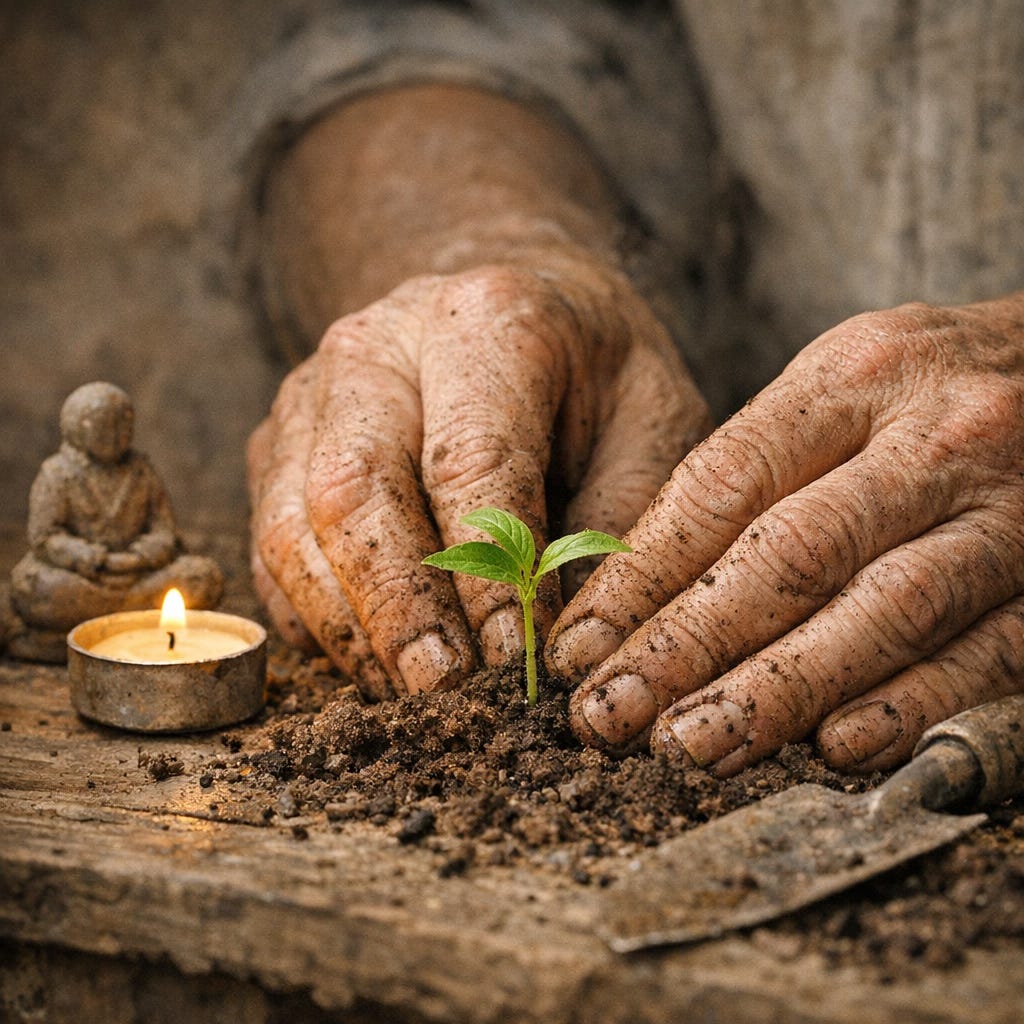
Piety and impiety are attitudes, not labels. Piety here means humility—an orientation that recognises something greater than the self. Impiety is the arrogance that imagines self-sufficiency. That posture invites failure; humility steadies effort and judgment. This learning is a slow process —through mistakes and quiet work—and it changes how we approach success.
This post is written in the same spirit of humility, not as a claim to have all the answers.
Humility as a practical virtue
Accepting that someone or something stands above us, keeps us in check. If we place that authority in another fallible person, we risk error; people err. A transcendent standard—moral, spiritual, or simply a commitment to truth—humbles rather than flatters. Too much pride can lead to a fall, and the world tends to reward competence paired with modesty, not entitlement.
Work and sincerity
Success requires steady, humble labour. Many of us work hard, but effort mixed with arrogance often undermines outcomes. Nature, or the order of cause and effect, tends to favour those who are truly qualified, and the most reliable qualification is being pride-less: open to correction, willing to learn, and ready to do the unglamorous work competence demands. Requests, hopes, or prayers offered without pretence shape how we act; sincerity aligns behaviour with outcome.
Growth through experience
No one is born with all the answers. Awareness grows through experience, and experience takes time. Mistakes are part of the curriculum; they teach humility when we let them. This is not a neat formula—life and faith are messier than that—but the pattern is clear: humility invites learning and steadier progress.
Practical takeaways
Recognise a higher standard
— let it temper pride and guide choices.
Practice humility
— treat modesty as a daily discipline in work and relationships.
Work without entitlement
— pair effort with openness to learning and correction.
Be sincere in hope and prayer
— remove pretence from petitions and actions.
Allow time for awareness
— growth is gradual and earned through experience.
In closing
Piety, understood as humility, is an active practice. It asks us to labour quietly, to listen, and to correct ourselves when pride creeps in. In that steady, unassuming work, we find the truest qualification for lasting success and the clearest path to wisdom.
Thank you for reading. I hope you found it enjoyable.